Spindle time maximized
14 more hours of runtime per day
Schöbel Hermann CNC Milling Technology, LLC
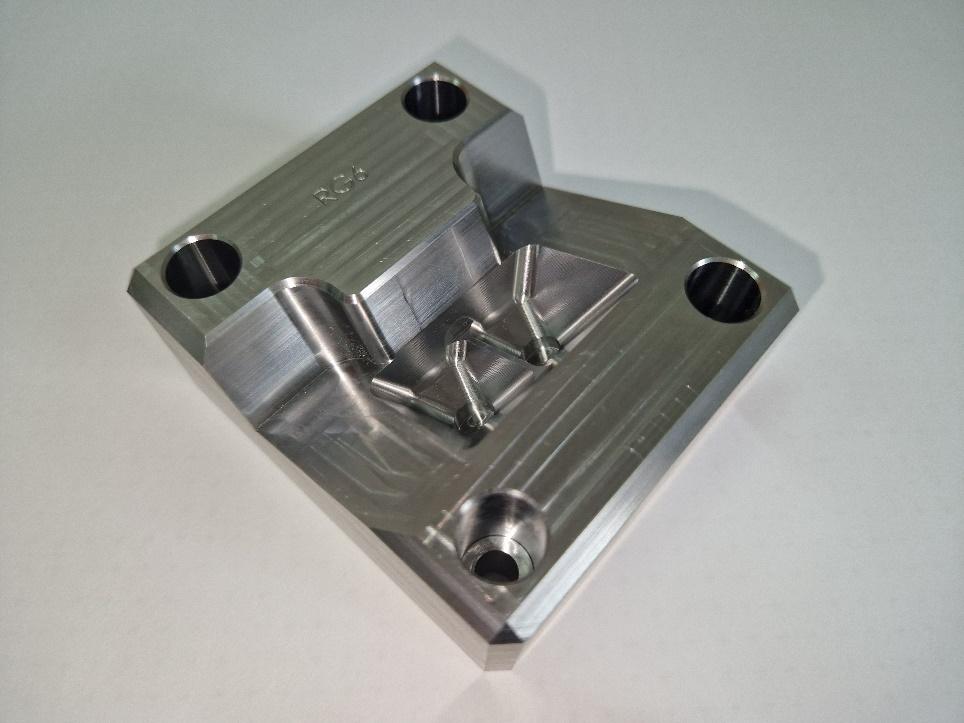
is the preferred choice for many renowned machining companies, particularly for prototypes and series of 1 to 10,000 parts. This reputation has only grown since Johannes Seilbeck and Martin Herzog took over the company from its founder. Recognizing the potential to transform a small gem into something bigger, they saw the value of digital automation.
Before automation
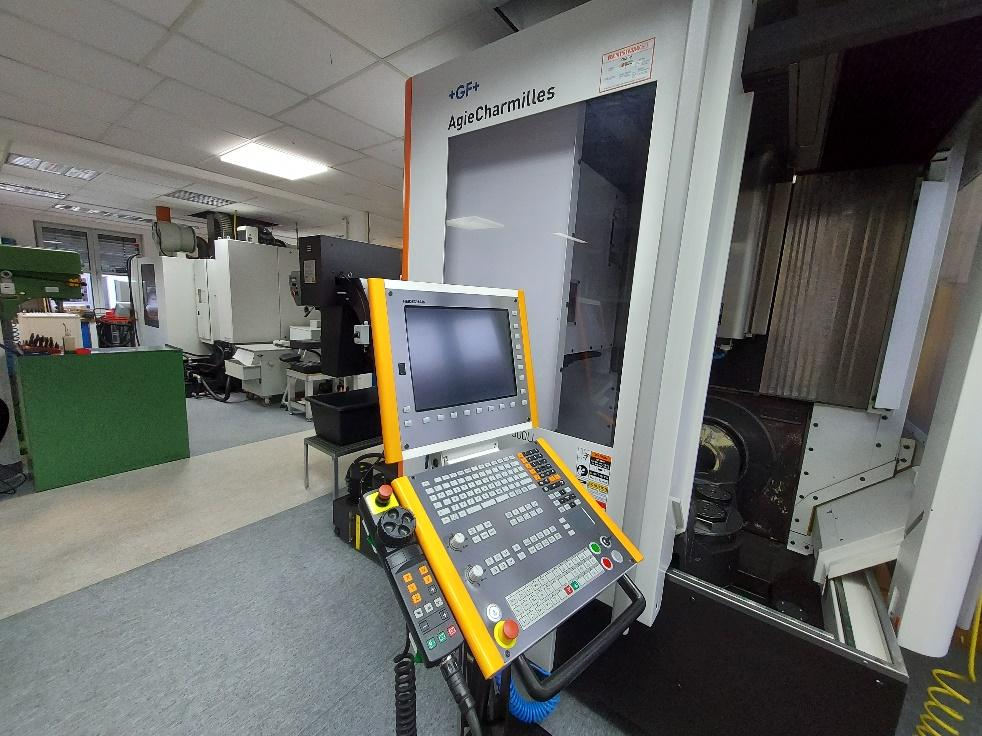
Only five employees worked in production. Despite their many years of experience and expertise in the fields of medical technology, mechanical engineering, and the consumer goods industry, they were reaching their limits due to staffing constraints. The spindle of the MIKRON HEM 500 U 5-axis machining center was operating at only 25% capacity and was idle for 18 hours a day. The challenge was to double the spindle hours without hiring additional staff.
The Solution
Upon taking over the company, the first robot was introduced—marking the beginning of a technological leap that the previous owner had neither considered feasible nor dared to implement.
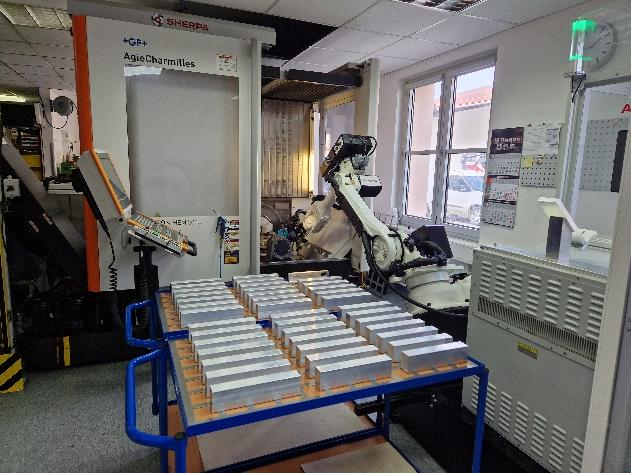
The existing MIKRON HEM 500 U machine was in no way prepared for automation. It had neither an automation interface nor a door drive. In addition, there were no free channels in the media union on the 4th and 5th axes, which would have been necessary to operate a pneumatic or hydraulic clamping device. Retrofitting by the manufacturer was not an option due to delivery times and costs. MAFU-SHERPA impressed with a complete, single-source solution consisting of a SherpaLoader® M20 equipped with an electric torque wrench, along with an electric door drive and a robot interface for the processing machine. The existing clamping technology could be seamlessly integrated into the automation system, and proven machining parameters were retained, enabling a smooth transition to automation. Automation is viable for batch sizes starting at 10 parts. Thanks to the robust operation of the automation system, production runs of up to 50,000 parts per year can now be offered.
Within a year, the effective spindle time was increased from 6 to over 20 hours per day. For example, the automated system ran without any staff for many weekends. Schöbel is a perfect example of how even small companies can adopt robotics and thereby become serious competitors.
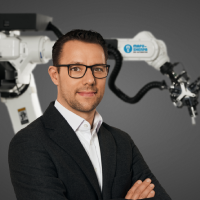
Johannes Seilbeck, Managing Director:
“Automation has more than doubled our revenue on the production line. That’s both a success and an incentive. That’s why we’ve just invested in a new processing machine from HERMLE—and in a second SherpaLoader. Now there are ten of us: eight people and two robots.”